
Shaniwar Wada History
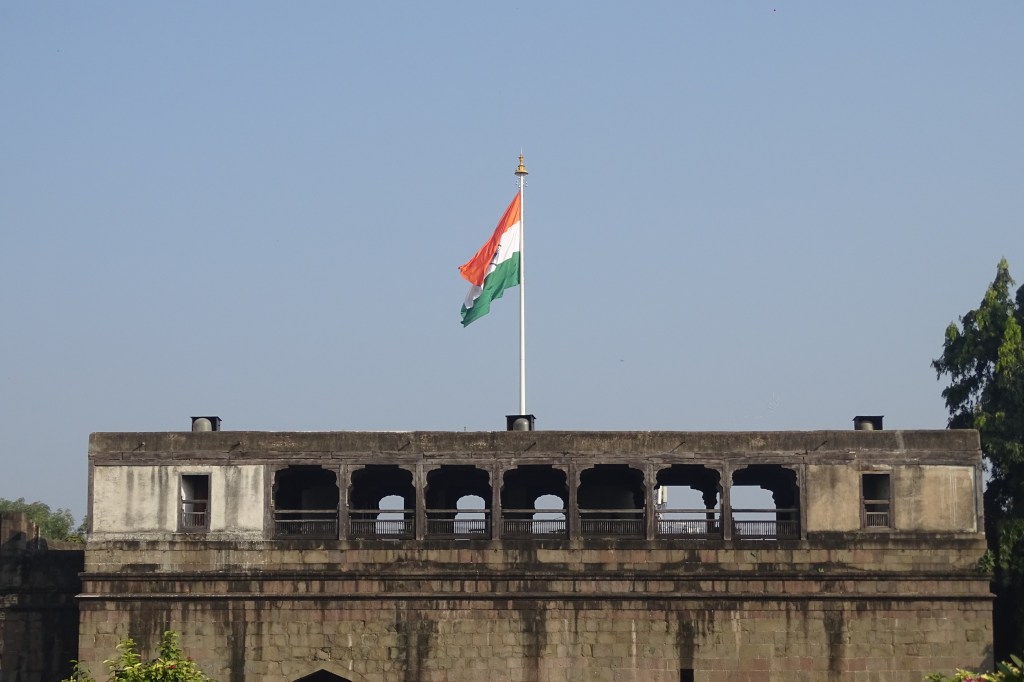
The magnificent fortification which was planned to be entirely built in stone was objected by the people on the grounds that only kings had the authority to build stone palaces. Thus, six out of seven floors were built with bricks and only the ground floor comprised stones. The six floors were destroyed by the British empire about ninety years later and the enchanting palace had only the base floor remaining to reminisce of the memorable past. On 27 February 1828, it went up in flames which crumbled the entire palace leaving behind granite ramparts and the ruins of the building along with a few sturdy teak gateways.
Construction of Shaniwar Wada
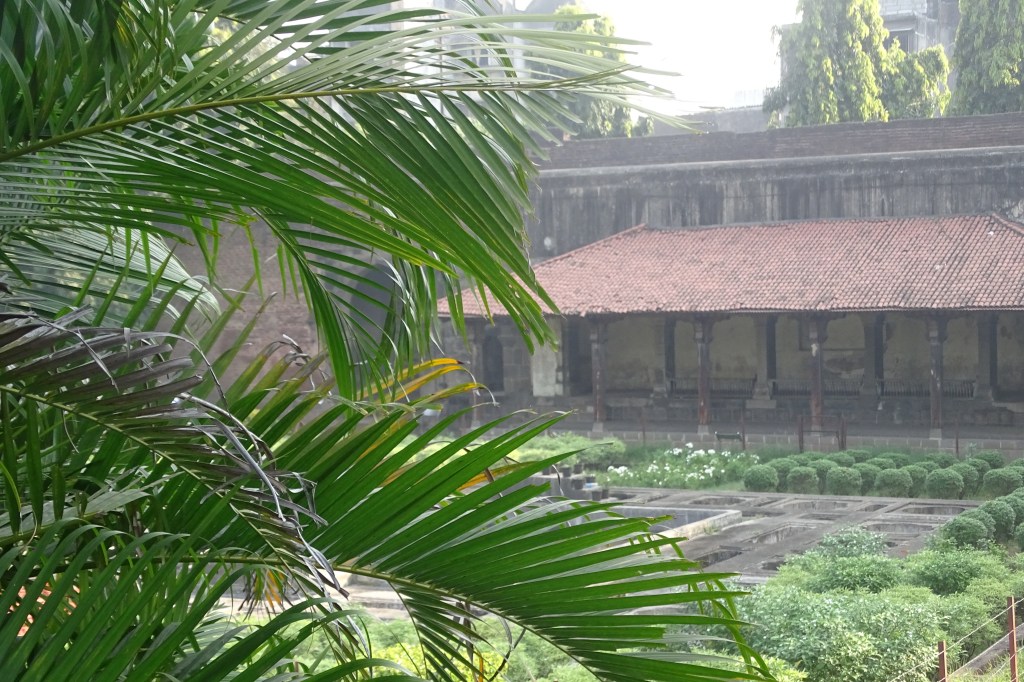
10 January 1730 saw the inauguration of Shaniwar Wada which was derived from the Marathi words Shaniwar (Saturday) and Wada (residential complex). Jungles of Junnar contributed the teak for building purposes whereas the lime came from the lime belts of Jejuri and stone was also used. The walls depicted the scenic beauty of the epics the Mahabharata and the Ramayana while Persian rugs decorated the glorious marble flooring. The Ganpati Rang Mahal is difficult to miss as it was another significant site for all religious celebrations of the Peshwas and was blessed with a gigantic statue of Lord Ganesha. Presently, you can observe nine bastion towers, a garden complex and various gates, namely the Dilli Gate, the Mastani Gate, the Khidki Darwaza, the Ganpati Gate and the Narayan Gate. What shall attract your attention the most is definitely the sixteen-petals lotus-shaped fountain which is a symbol of the lovely times of that era. It is also known as Hazari Karanje which has the power of a thousand sprays or jets. You can spot a cannon or two: one while you enter and another inside the fort.
Shaniwar Wada a Haunted Place
This is undoubtedly the most interesting part of the article which shall give you goosebumps. The main characters pertaining to this story are Peshwa Narayan Rao, his ruthless uncle Peshwa Raghunath Rao and his evil wife, Anandibai. Tired of his uncle’s controlling nature and undue dominating streak over the empire, Peshwa Narayan Rao put him under house arrest. Peshwa Raghunath Rao wanted to seek revenge and thus ordered ‘Narayan Rao la dhara’ which meant ‘Hold Narayan Rao’. But before the guards could get hold of this which was the original message, his cunning wife tweaked the message to ‘Narayan Rao la mara’ which is clearly interpreted as ‘Kill Narayan Rao’. This led to the cold-blooded murder of Peshwa Narayan Rao by the guards. He had no means of escape and helplessly cried out to his uncle for help and scurried around the fort yelling “Kaka mala vachva” which meant “Uncle save me!” His spot of death is said to be possessed by his spooky spirit who still moans for mercy as is heard by the neighbouring people on some nights. Especially on full moon nights. Thus, people are usually barred from entering the place after 6:30 pm to avoid heart-wrenching encounters with the ghost. He was savagely cut into pieces by his murderers and thrown into the river. If you think you are brave enough, why not give the place a try?
Entry Fees
INR 25 per head for Indian tourists.
INR 300 per head for Non- Indian tourists.
Special charges are taken for video equipments, and for Light and Sound Show.
 ACube
ACube 